• Home
  • About
  • Blog
  • Insights
  • FAQ
Menu

Out-Thinking Parkinson's

Progressive Symptom Reduction Strategies for Parkinson's Disease
  • Home
  • About
  • Blog
  • Insights
  • FAQ
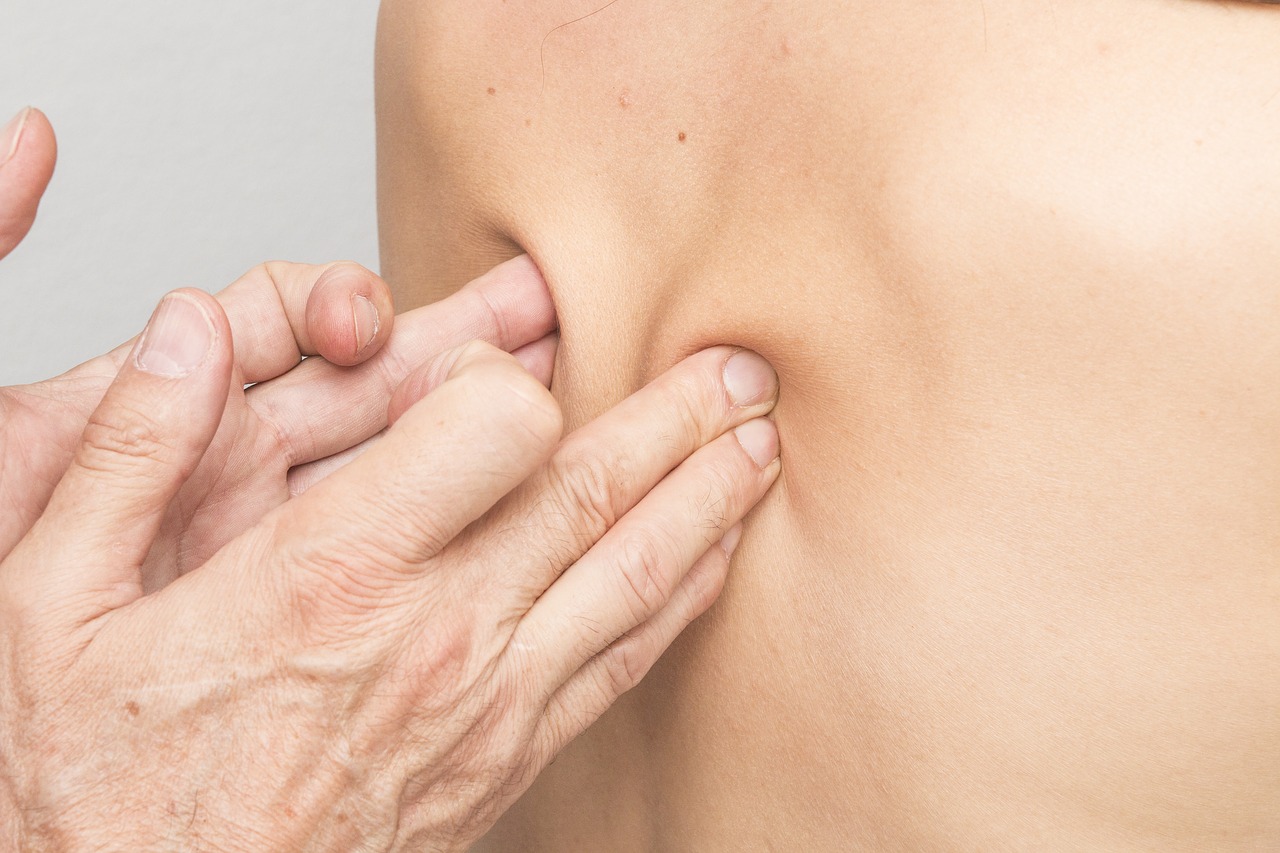
massage-2441741_1280.jpg

Fascia (Connective Tissue) and Parkinson's Disease

October 7, 2019

A Brief Introduction to Fascia

FASCIA: WHAT IT IS AND WHY IT MATTERS

is a recent book by David Lesondak​, which is pertinent to Parkinson’s Disease - indeed, I believe that the material covered in this book is absolutely-need-to-know for anyone affected by or involved with Parkinson’s Disease. Here, David explains and explores the topic of "fascia" with a narrative style, all backed up by the latest science, yet contextualized through more ancient wisdoms, including how, in large part, our "new" understandings simply help to explain why the old was ever true, illustrated with thought provoking diagrams and photographs of the real stuff.

From this book we discover that fascia is essentially the connective tissue which is found throughout our body, wrapping muscles and organs, nerves and bones. Anyone who has ever tried to cut up a raw chicken breast will have encountered the thin, silvery white connective tissue. It turns out this connective tissue is incredibly important and has profound and primary roles in our biological system, health and wellness. This is an “emerging” field in medicine, but has been known about and worked with in other disciplines for a very long time.

The book explains that fascia consists of collagen fibers suspended in a fluid, which together form a "viscoelastic" substance with unusual properties. Fascia can act both as fibrous net, not only able to resist change of shape and sustain tensile forces, but also flow and creep like a viscous fluid.

"The most important thing to keep foremost in mind, at all times, is that the fascial net is one continuous structure throughout the body... as far as the body is concerned, the fascia is all one - one complex, holistic, organ. The 'everywhereness' of fascia also implies that, indeed, it’s all connected and thus is 'connective tissue' ."

This is illustrated in the book, for example, by a photograph of a single, continuous real piece of fascia taken from a dissection of a human body, which still has the tongue attached at one end and the connective tissue of the toes at the other.

David goes on to explain how the hard skeleton of the bones and the soft skeleton of the fascia in the body, form together a very special type of structure. Without the tensile strands of the collagen fibers which make up the fascia, the body would simply collapse. The author explores the profound importance of having this type of structure in existence throughout or bodies, and details how the unfamiliar properties of such "tensegrity" structures means we do need to reconsider so much about what we've been taught about those bodies.

Subsequent chapters of the book explore how universal fascial structures exist everywhere in the body, and really do matter in all the parts: muscles, cells, nervous system, organs, brain, before going on to to briefly describe how to diagnose fascial issues and selected therapies for addressing these. Problems arise when the fluid part of the fascia is too sticky and can't flow, e.g. when the connective tissue becomes dehydrated, and also when the collagen fibers become unaligned or tangled e.g. through chronic stress, injury, infections and trauma. Likewise, therapy is aimed at re-hydrating the connective tissue and restoring the healthy shape and directions of the fibers. Importantly, the fascia has a massive role in chronic pain, because it is where many of the nerves which sense pain have their nerve endings.

The book is full of awe and wonder, including photographs and results from the very latest cutting edge science: as the author admits, due to the blistering pace at which the science of the day is now opening up the worlds of the fascia, his book is already somewhat out of date! David says:

"I was indeed making changes, additions actually, right up to the very last minute. It wasn't that the new science was over-turning the old, but adding to and enhancing the current knowledge base. I want to assure everyone that everything in the current edition is [still] accurate!"

David also explains in the book why this knowledge has not penetrated into the University medical training systems, as of yet. Indeed, historically, fascia was literally considered as throwaway: after a body had been dissected for medical training and anatomy classes, all the parts were returned to the family for proper ritualistic disposal, apart from the fascia, which was generally thrown out as "human waste"! This says all we need to know about the past medical training mindset towards fascia. This is unfortunate, given how the book clearly explains that our fascinating fascial net may be the one part of the human body which makes us who we are or were, more than any other.

In this article we will explore the implications of all this for movement disorders and chronic "muscle" pain, including an intuitive application to my own experience of rigidity dominant form of Parkinson's Disease.

The Catsuit Concept

In the book, David describes how the first layer of fascia underneath the skin, called the "superficial" fascia, separates the skin from the muscles, allowing them to slide over one other. The superficial layer also incorporates thermoregulation and lymph and blood flows. Below this is a layer called the deep fascia. It forms discrete pockets around each muscle, and is the silvery white skin one encounters when cutting up a raw chicken breast, for example. It keeps all the muscles separate, helping them slide past one another, yet remain connected and able to communicate with other muscles, remotely, throughout the body.

Envisaging these fascial layers running all through the body reveals a very interesting concept - that we actually have a single piece "full body catsuit" just under the skin, as illustrated in the photo.

20190920_081611.jpg

This is a profoundly important insight, especially for movement disorders and chronic pain issues, particularly when combined with knowledge that the fascia tends to tighten, contract, stiffen (congeal) in response to stress, via fight, flight, freeze responses, preparing the body for action and perhaps even armouring it in places.

Indeed, given the wealth of knowledge which is rapidly emerging about fascia and its role in our vitality, we do need to consider fascia and incorporate it into our thinking about Parkinson's Disease, other muscle tension issues like dystonia, and chronic pain problems. One very important point to re-iterate is that the sensory nerve endings for signalling pain abound in the fascia itself. If we are missing fascia from our theories of such conditions, I feel that we are missing a hugely important reality, and hence are not likely to arrive at the entirely correct answers.

Returning to the "catsuit" concept, this in itself not only allows me to understand what is going on with my own Parkinson's Disease, but also to be better able communicate what it is like to other people. I can now envisage what is happening, when the dopamine replacement drugs wear off, is that my fascia begins to contract and stiffen again, because, without the drugs, my nervous system is stuck in a profound stress response. Hence the result of drug wear off would seem to me to be just like wearing a shrinking catsuit which becomes too small for my body, and hence is too tight everywhere.

It is easy to imagine how wearing a too small catsuit would result in the legs being drawn up by the toes, the arms being drawn in from the fingers, the head being pulled down forwards or backwards by the hood of the suit, and the shoulders being pulled down and forwards by the tightness of the catsuit there. So, by analogy, I can see how the global tightening/contracting of deep fascia could pull the body into the classic stooped Parkinson's Disease stance. Then, once in this position, making any movement which works against the contraction will be difficult - straightening out the arms or legs, raising or turning the head, raising the shoulders, standing tall with a straight back. Indeed, these are just the types of movement which are hardest for people with PD to do. At the least, I hope the idea helps people to understand what it is like to have PD stiffness/rigidity, by imagining wearing a catsuit which is far too tight!

Symptoms are in the Fascia too?

When talking and thinking about Parkinson's Disease, it is usually in terms of pain and rigidity (hypertension) and stiffness in the muscles themselves. Indeed, no-one in my medical support team has ever even mentioned fascia to me. Yet as we have seen above, our muscles and the fascia which surrounds them are part and parcel of a whole. Indeed, the fascia not only surrounds each muscle, but runs through them, partitioning groups of muscles fibers into bundles, and even surrounds each individual muscle fiber at a smaller scale. Thus, I believe that fascia plays an important role in Parkinson’s Disease symptoms, especially stiffness, pain and rigidity in the body, and it contractile nature helps to explain the immediate and profound effects of stress on these symptoms, which anyone with PD will be able to relate to.

I've endeavoured to reduce symptoms through various movement and relaxation therapies over these past couple of years, not only improving my mobility, but also improving my proprioception and interoception (senses of my own body), and in doing so my experience/awareness of my symptoms has changed/sharpened, as I've begun to reconnect brain and body. It is also worth noting that important nerve endings which give us a sense of where our body parts are, and how these parts are moving, are also to be found in the fascia, because the resulting proprioceptive senses are atrophied or broken in people with PD.

Prior to learning about fascia, I would attempt to describe how it felt to me when I was very symptomatic with my rigidity dominant form of PD, by relating that it felt as if every muscle in my body was being clenched as hard as possible - and then just being stuck like that. Yet that has never felt quite right as an explanation for how it really feels. Somehow, the symptoms feel much more "surface" than just deep muscular. After learning more about fascia it became clear to me that my symptoms do feel as if something is happening in the connective tissue surrounding the muscles too. Indeed, when I learned that the nerve endings responsible for pain signals to the brain are embedded in the fascia, and that fascia contracts/stiffens/dehydrates in response to stress/threat, a piece of the jigsaw seemed to fall into place.

So, before looking further at some of the things which can go wrong with fascia, especially through prolonged chronic stress, I would like to go through some of my specific experiences and explain why I believe that "PD is in the fascia too" does fit.

Indeed, I had an extreme experience which helps inform things from my perspective, which occurred when I was hospitalized due to a severe and prolonged crisis,

MY HOSPITALIZATION WITH PARKINSON'S DISEASE.

During this time, my whole body became extremely stiff and rigid, such that I could no longer move at all. When I was in the hospital, for example, doctors would lift and bend my limbs to test reflexes and assess rigidity, but once they let go of a limb, it would remain in mid-air in the position the doctor had last placed it in - it was as I was an action figure that can be put into various poses. Thus, if a doctor raised my arm and bent it at the elbow and then let go, the arm would stay put in that position. For the arm to go back down on the bed, the doctor would have to physically press it down into the bed quite hard.

Yet, as the doctors manipulated me, it did not feel like each muscle was being activating and then cramping in place, nor did it feel like my muscles were straining against gravity to keep my arm aloft, and no apparent effort was involved. If I now try to imagine instead what would happen if my fascia had dried out completely or had become a very thick sticky substance and unable to flow, such that my skin would no longer slide against muscles, and muscle fibers would not be able slide or share loads, this then describes my experiences better. Imagining my fascia becoming plastic matches the experience of feeling like an action figure too.

As a second example, like many people with PD, my breathing is very shallow when I'm "off", and it is very hard to force deep breathing, and attempting to can actually be more triggering and make me freeze up worse. How I experience this is that the skin around my abdomen feels very tight when I try to expand my belly through breathing in. While the muscles feel tight and stiff too, this seems secondary, and I don't experience this as muscle "cramp" per se.

I also had a real "ah ha" moment about this while reading the book, which explained that the part of the fascia covering the stomach/abdomen is formed from a single sheet called an "aponeurosis".

20190923_075217.jpg

This abdominal aponeurosis or "rectus sheath" covers the very area which feels tight when I am symptomatic, and feels more tight the more poorly I am, resulting in more restricted breathing, which can be very frightening when I am left to feel I can hardly breathe at all. This can lead to panic, which then increases the physical restriction, in a horrible feedback loop. For me, then, the concept that this abdominal sheet of fascia is constricting/tightening when the dopamine replacing PD drugs wear off, matches and explains my experience well.

We can also glean from the picture that, since the fascial net everywhere is connected to the abdominal sheet, its constriction inwards will have knock on effects to the rest of the "catsuit" and may cause tightening and pain elsewhere. For example, it is easy for me to visual that the abdominal tightening will pull downwards on the top of my shoulders, where most of my pain is, and result in the sensation that I am being pulled/pushed down to the floor (as if gravity has been increased) through my shoulder tops whenever I try to stand up against the PD.

It is interesting to note that other sheet like fascial regions exist between the ribs, on the back, on top of the head (the scalp) and on the palms of the hand and soles of the feet, and to imagine what would happen if each of these constricts, and match this to other common PD symptoms, such as curling up of the hands and feet.

Problems in the Fascia

According to the book cited above, the health of fascia is related to the structure and direction of the network of fibers. Very healthy fascia has a textile like weave and pattern to it, forming a lattice like structure and the fibers themselves have a nice waviness or "crimp" to them. On the other hand, problem areas of fascia lose the directonality of the fibers, which also lose their crimp, and the fascia then becomes a tangled mess of collagen fibers. This is nicely shown in the illustration from the book.

20190925_073840.jpg

Tangled and unhealthy fascial structures can arise simply from immobility/sedentary lifestyles, poor posture (e.g. sitting in front of a computer too long), repetitive motions, the body being overtense or putting itself into threat response patterns for too long (i.e. chronic stress and trauma), and also from poor healing of physical injury. The point that fascia can “scar” and become problematic after an injury is important, since from talking with very many people with PD around the world in regards to their background histories before diagnosis, I have found that very many of us have had some form of injury to the neck, shoulders, back, hips, knees or feet, whether through accident, car crashes or surgery, in the years prior to diagnosis.

I believe it is possible to visibly observe that the fascia is problematic in people who have been immobile through PD for a long time, and this can be especially apparent by looking at the lower legs, which can often appear to have a shiny, plastic look, and have become hairless. It certainly doesn't require trained hands to feel that something is wrong in the fascia too in the bodies of people with PD, again especially in the lower part of the leg, which feel strangely solid and unyielding.

Pinch Points and Bottle Necks

It is easy to imagine that tangled messes of fibers would prevent the flow of the liquid part of the fascia gel, so will be more plastic than elastic, but also have negative effects on other structures and fluids passing through the fascia, such as blood vessels, lymph and nerve fibers. According to

Fascial plasticity – a new neurobiological explanation,

"This stimulated a German neurosurgeon to conduct a clinical study. They studied these fascial perforation points in patients suffering from chronic shoulder–neck or shoulder–arm pain. They found that the perforation points in these patients showed a peculiar anomaly. The perforating vessels were ‘strangled’ together by an unusually thick ring of collagen fibers around them, directly on top of the perforation hole."

Indeed, since the fascia contains free nerve endings responsible for pain signals, it seems clear that places in the body with chronic fascia problems may be associated with chronic pain. Furthermore, since the fascia tightens, contracts, congeals or dehydrates as part of preparedness of the body to react to threats, acute stress can rapidly make the chronic knotting and tangling worse and tighter, and more permanent, increasing blockage ratios and pain. This would help explain why acute stress visibly makes the physical symptoms of PD much worse.

These issues of the fascia make me wonder if some of the dystonia in my right neck and shoulder, which comes back whenever my PD meds wear off (several times a day), currently by far my most limiting remaining symptom, also has some involvement with connective tissue tightening. Indeed, since the neck contains many muscles and structures there is lots of fascia separating them, and hence a lot of possibilities for things to go awry. This can be clearly seen in the diagram below.

66626664_2428703454079947_8556318458499825664_n.jpg

These anatomical structures in the neck really piqued my interest, especially all the fascial compartments. Clearly, there a lot of opportunities for fascial tangling, constriction or de-hydration to cause problems in the neck. Indeed, one feature I found very noteworthy is the “Cartoid Sheath”:

"The carotid sheath is an anatomical term for the fibrous connective tissue that surrounds the vascular compartment of the neck. It is part of the deep cervical fascia of the neck, below the superficial cervical fascia meaning the subcutaneous adipose tissue immediately beneath the skin.

“The four major structures contained in the carotid sheath are: the common carotid artery as well as the internal carotid artery (medial); internal jugular vein (lateral); the vagus nerve (CN X) (posterior); the deep cervical lymph nodes.”

“The carotid artery lies medial to the internal jugular vein, and the vagus nerve is situated posteriorly between the two vessels. In the upper part, the carotid sheath also contains the glossopharyngeal nerve (IX), the accessory nerve (XI), and the hypoglossal nerve (XII), which pierce the fascia of the carotid sheath.

Constriction of the fascia forming the Cartoid Sheath might cause Vagus Nerve dysregulation (nerve pinching). I cannot overstate the importance of this direct link between fascia and Vagus Nerve, since my perspective is that dysfunction of the Vagus Nerve and related Parasympathetic Cranial Nerves is central to Parkinson’s Disease, see:

THE DORSAL VAGUS NERVE AND PARKINSON'S DISEASE,

THE NERVOUS SYSTEM AND PARKINSON'S DISEASE,

THE CRANIAL NERVES AND PARKINSON'S DISEASE.

Furthermore, fascial constriction here could result in oxygen supply to the brain issues, see

LACK OF OXYGEN TO THE BRAIN IN PARKINSON'S DISEASE,

and immune responses and problems with lymph drainage of brain too resulting in toxin build up. Again, this matches my own experience and helps explain why being in a seated position is by far the most uncomfortable for me. I can't actually sit for very long at all when "off", as it feels like the blood supply to my head is being cut off and I freeze even more. This causes severe brain fog, freezing up, anxiety and my cranial nerves going offline, such as my eyes becoming unfocussed and unblinking, my ability to speak going. If I am stressed at the time, it is much worse. There is another very vicious circle with PD in that getting stressed about the pain/symptoms rapidly makes the pain/symptoms worse, and again this may perhaps be due to the resulting fascial tightening with stress.

Furthermore, some sort of problem with the fascia in the neck is often visible in people with PD, where the structures stand out and are very prominent, an example of which is shown in the photo below.

image-asset.jpeg

What Can We Do?

Firstly, just as stress tightens the fascia, relaxation can bring relief. So in the short time, this is one reason why stress management and learning relaxation techniques, especially meditation, is vital for coping with PD.

Longer term, all is not lost, however, because the book cited at the top of this article also explains that fascia contains special cells callled "fibroblasts" which not only lay down new collagen fibers but also gobble up old ones. It is therefore possible for fascial history to be rewritten over time. This requires the proper stimulation of these cells, whether by appropriate self-motivated or self-induced movement therapies (e.g. types of yoga, dance, exercise, sports, etc) or hands-on therapies (various 'myofascial release' modalities - see the book for a partial list of these).

On the other hand, fascia problems are likely to get worse through a lack of movement. Tangled fibres areas are likely to grow and new problem areas may be seeded, if the response to a movement disorder or pain is to become even more sedentary or immobile, or to constantly protect the painful area. In this sense, it is easy to see why Parkinson's Disease can therefore be "degenerative", since lack of dopamine results in a lack of motivation to move, which just make it harder and even more of an effort to mobilize, which means the fibroblasts get even less stimulation, resulting in the build up of more problem fascia, causing pain, rigidity and stiffness to worsen and spread. Conversely, this is one reason why very regular exercise and movement therapies are proving so beneficial to the long term prognosis for people with PD and related conditions, because it helps stimulates the fibroblasts into adapating the fascia to the movement signals, reversing some of the initial problem,


In Books, Exercise, Therapies, Re-thinking Movement Tags Facial Expression, Fascia, Stress, Muscle, Pain
← Athletics Training and Competitive Sport with Parkinson's DiseaseYoga Nidra Guided Meditation and Parkinson's Disease →
No results found

ABOUT

Out-Thinking Parkinson's
Out-Thinking Parkinson's Research

 Join my Facebook Group

Follow me on substack:

BLOG

  • Re-thinking Movement
  • Digest
  • People
  • Mental Health
  • Diet & Supplements
  • Therapies
  • Toys
  • Exercise
  • Video
  • Assistive Technology
  • Music
  • Biography
  • Brain Science
  • Books
Parkinson's Disease Carousel: Original Articles and Ideas
Update on Light Therapy for Parkinson's Disease
December 29, 2025
Update on Light Therapy for Parkinson's Disease
December 29, 2025

A Guest article bty Toine Schoutens, Propeaq

Several years on, that conversation is evolving and one technology that continues to attract attention is our wearable technology, in the form of light glasses. Light glasses are a type of light therapy device, ours are using blue light, delivered through the eyes. The idea behind this approach is that specific wavelengths of light may help support the sleep/wake rhythm which is often disrupted in people with Parkinson’s.

Read more →
December 29, 2025
Dopamine's Role and Parkinson's Disease
July 20, 2025
Dopamine's Role and Parkinson's Disease
July 20, 2025

We know that dopamine has different roles in different areas of the brain, such as for motor control, motivation, and reward, but dopamine also controls so-called “Go” and “No Go” processes, governing “action” or “inaction”.

Read more →
July 20, 2025
Waking Up the Senses and Parkinson's Disease
June 6, 2025
Waking Up the Senses and Parkinson's Disease
June 6, 2025

As I've improved my condition, both mental and physical, I'm more able to tune in to what is actually happening in my mind and body when the Parkinson's takes hold. As I've pushed the envelope of my understanding and incorporated more interventions into my own life, tested, tried, self-experimented, it has become clearer to me...

Read more →
June 6, 2025
The Nervous System and Parkinson's Disease
February 19, 2025
The Nervous System and Parkinson's Disease
February 19, 2025

Now for the very good news. Since we now understand that PD is principally a problem with the Nervous System, it is entirely possible that we can pro-actively prevent further degeneration, and even regain what we've already lost, because Vagal Tone can always be improved, neurons regenerated, neural pathways re-written, and senses retrained

Read more →
February 19, 2025
Hope and Parkinson's Disease
September 19, 2024
Hope and Parkinson's Disease
September 19, 2024

Here is the book review for the new book on Parkinson's (search for "Lilian Sjoeberg" on your local amazon and the book should come up).

Read more →
September 19, 2024
DAT Scans and Parkinson's Disease
August 3, 2024
DAT Scans and Parkinson's Disease
August 3, 2024

Dysregulation in the DAT ferrying system is associated with a number of chronic conditions, including ADHD, Bipolar, depression, eating disorders, substance abuse, Parkinson’s, and dystonia. If there is too much DAT activity, it means that there is a deficiency in active Dopamine outside the cell, as it is being pulled back inside the cell constantly.

Read more →
August 3, 2024
Dopamine Breakdown and Parkinson's Disease: Part 2
June 23, 2024
Dopamine Breakdown and Parkinson's Disease: Part 2
June 23, 2024

In Part 1, we looked at how the MAO enzyme breaks down Dopamine in the brain and body, via what we termed the “MAO pathway”. In this part, we consider another pathway by which Dopamine is broken down, via another enzyme called Catechol-O-methyltransferase (COMT).

Read more →
June 23, 2024
Stuck on Pause with Parkinson's Disease
May 3, 2024
Stuck on Pause with Parkinson's Disease
May 3, 2024

Indeed, I was recently contacted on this topic by Dave Faller, a person with a PD diagnosis, who has been exploring ways to help himself. Dave has written a very useful two page summary of Janice’s “Stuck on Pause” book and other work, and so I asked him if we could reproduce it here. He agreed, and hence the article below.

Read more →
May 3, 2024
Dopamine Breakdown and Parkinson's Disease: Part 1
April 10, 2024
Dopamine Breakdown and Parkinson's Disease: Part 1
April 10, 2024

In this follow up article, we will explore the various ways by which dopamine is chemically broken down, degraded, or metabolized. In doing so, we will provide yet another, more hopeful, story, that the reversible problem may be more to do with the breakdown of dopamine occurring too fast after it has been synthesized, rather than cells dying.

Read more →
April 10, 2024
Fright and Parkinson's Disease
January 2, 2024
Fright and Parkinson's Disease
January 2, 2024

In recently re-reading this excellent article, it struck me that, as part of their own literature review, the authors describe what it is like on the inside to be in the fright response, and hence according to my thesis, what is like to be symptomatic with PD.

Read more →
January 2, 2024
Acetylcholine, Dopamine and Parkinson's Disease
September 16, 2023
Acetylcholine, Dopamine and Parkinson's Disease
September 16, 2023

In reality, the interactions between very many different neurotransmitters is super strong. It is not just the lack of one chemical that causes the problems in many cases, but actually it is the resulting lack of balance with other chemicals.

Read more →
September 16, 2023
Sleep and Parkinson's Disease, Part 2
July 24, 2023
Sleep and Parkinson's Disease, Part 2
July 24, 2023

At that time, I had not quite perfected my routine or sleep quality. I am now doing quite well with it, and my sleep is much better than it has probably ever been. So in this second part, I will just do a show and tell about the things I ended up implementing that actually worked for me, in case this is helpful for anyone else to follow.

Read more →
July 24, 2023
Emotional Armouring and Parkinson's Disease
June 4, 2023
Emotional Armouring and Parkinson's Disease
June 4, 2023

I am working with folks with movement disorders to explore the use of neurofeedback and photobiomodulation to aid them in their recovery. In this article, I cover my background, and how I arrived at these as a solution.

Read more →
June 4, 2023
Histamine, Allergies and Parkinson's Disease
April 2, 2023
Histamine, Allergies and Parkinson's Disease
April 2, 2023

I began following this line of research, and I discovered very many curious inter-relationships and joined up a number of seemingly disparate dots.... dots which would never have been connected by the specialist-centric nature of our healthcare systems!

Read more →
April 2, 2023
Fascia Decompression and Parkinson's Disease
February 8, 2023
Fascia Decompression and Parkinson's Disease
February 8, 2023

I have been working in the fascia system for twenty three years and have come to understand this system intimately. Spending over 60,000 hours working on both patients, and myself, the changes I have seen from Fascia Decompression, is helping people all over the world.

Read more →
February 8, 2023
Lack of Oxygen to the Brain in Parkinson's Disease
December 30, 2022
Lack of Oxygen to the Brain in Parkinson's Disease
December 30, 2022

If I had been seen by the neurologist only, then I simply would never have received the intensive physiotherapy for thoracic outlet - which did relieve the very worst of the pains, numbness and pins and needles sensations. However, I know from networking extensively with other people diagnosed with PD, many neurologists routinely discount injuries and body traumas as contributing factors and ascribe virtually all symptoms, including those more normally associated with nerve damage, to the Parkinson's.

Read more →
December 30, 2022
Constipation and Parkinson's Disease
December 13, 2022
Constipation and Parkinson's Disease
December 13, 2022

I will cover below how I managed to resolve this for myself, and then we will look at the potential mechanisms of why constipation and PD symptoms are linked, I will first explain my self-observations which lead me to this conclusion.

Read more →
December 13, 2022
The Endocannabinoid System and Parkinson's Disease
October 19, 2022
The Endocannabinoid System and Parkinson's Disease
October 19, 2022

The Endocannabinoid System (eCBS) runs throughout our bodies and brains, and, as we will see, seems to have many of the functions we currently ascribe to the Autonomic Nervous System and the Vagus Nerve, or at least is a parallel system for these functions. This includes having a vital role in regulating stress and dopamine, indicating this system is likely to be highly relevant to Parkinson’s Disease.

Read more →
October 19, 2022
Tremors and Parkinson's Disease
August 21, 2022
Tremors and Parkinson's Disease
August 21, 2022

Fortunately, from the perspective that tremors are a manifestation of a stuck stress response, this type of symptom can be progressively alleviated through stress reduction techniques and therapy, by learning how to calm the nervous system, and by spending more time in totally relaxed states. Indeed, this is demonstrated in videos of people’s tremors disappearing when they are put into a trance state by a hypnotherapist, as in the video below, or by common anecdotal reports that when meditating, the tremors are not present.

Read more →
August 21, 2022
The Neck and Parkinson's Disease, Part 2
June 29, 2022
The Neck and Parkinson's Disease, Part 2
June 29, 2022

This is a follow on from previous articles on the subjects of the roles of lack of oxygen to the brain, the neck and breathing problems in Parkinson’s Disease. Here, we focus on the potentially profound role of special chemical sensors in our necks, which most people affected by PD will never have heard of, called “carotid bodies”.

Read more →
June 29, 2022
Reducing Stress and Parkinson's Disease
May 17, 2022
Reducing Stress and Parkinson's Disease
May 17, 2022

I have used three hours a day for three years (more than three thousand hours) searching the internet for videos and studies that could give me answers. When I made my small test experiment with people with different diseases, I found that I could help them all with stress reduction. Regardless of diagnosis, I could help them reduce symptoms.

Read more →
May 17, 2022
Thiamine and Parkinson's Disease
April 7, 2022
Thiamine and Parkinson's Disease
April 7, 2022

What was needed was for someone to gather and review all the research done on HDT for PD so far, collect all the anecdotes of what has and hasn’t worked for individuals with PD, and to resurrect as much of Dr C.'s knowledge, experiences and wisdom as possible. Then to pull it together and come up with a working plan or a guidebook for other people with PD to follow in order to try to optimize HDT the potential benefits of for themselves.

Read more →
April 7, 2022
Stress, Situations, Symptoms and Parkinson's Disease
March 17, 2022
Stress, Situations, Symptoms and Parkinson's Disease
March 17, 2022

It is in the nature of chronic diseases that symptoms manifest most when our survival instincts (fight, flight, freeze) take over our body's function. This is why the severity and range of symptoms can vary moment to moment, hour to hour, or day by day, according to how stressed or how relaxed we are in that moment, for most chronic diseases. Here, I use the word stress in its widest possible interpretation, to denote anything which may be troubling us in the present moment, e.g. feelings, accidents, trauma, troublesome relationships, financial problems, small unresolved situations from childhood, that may seem insignificant to an adult.

Read more →
March 17, 2022
Early Retirement and Parkinson's Disease
February 18, 2022
Early Retirement and Parkinson's Disease
February 18, 2022

By Florencia Cerruti, person with Parkinson’s Disease and author of Rebirth at 50: in the end, it was not The End.

Very shortly after my diagnosis of Parkinson's disease at age forty seven, I asked a neurologist how long I should work. His answer was: "Until the last day that the disease allows it." His words echoed within me: what would happen that day? Would I be the one to decide or would it be my colleagues and bosses at work who would warn me before I had the chance to decide? What would the signal be? In any case, what would it be like to work until the last day the disorder would allow me to?

Read more →
February 18, 2022
Survival Instincts and Parkinson's Disease
February 3, 2022
Survival Instincts and Parkinson's Disease
February 3, 2022

To help shake off the gloom about this, I call our survival instincts our superpowers, because it is a more resourceful way to look at the body and the problems we might be experiencing. Try saying "thank you, body, for keeping me safe, but now it is time to bring me out of the safe survival state and back to the normal range of health and grow." This ought to give us a little more faith in the dispositions of our body.

Read more →
February 3, 2022
Feeling Trapped and Parkinson's Disease
December 13, 2021
Feeling Trapped and Parkinson's Disease
December 13, 2021

As a first step, we perhaps need to identify the places where we are stuck in our lives, those stressors which come with a sense of being trapped, the stressful things we can’t fight or flee from, and try to address these. This is because the tonic immobilization framework of PD predicts that it will be very hard to reduce symptoms in circumstances that our nervous system is constantly feeling trapped by a proximate threat. Examples include being in a toxic relationship, living in a house with neurotoxic mould infestations, workplace exposure a chemical agent, enduring a long and stressful daily commute to work.

Read more →
December 13, 2021
Motivation, Pleasure, Pain and Parkinson's Disease
November 4, 2021
Motivation, Pleasure, Pain and Parkinson's Disease
November 4, 2021

The activation of the habenula inhibits or deactivates the dopamine neurons in the substantia nigra and ventral tegmental area, and, conversely excites or activates them when it is deactivated. This has profound implications for PD, as this points to the possibility that it is not cell death which causes the issues in PD, but chronic activation of the habenula permanently switching off the cells in the substantia nigra from producing dopamine. This is a more hopeful hypothesis, as it means the cells are just dormant, not dead. If we can figure out how to deactivate the habenula, this could provide significant symptom reduction.

Read more →
November 4, 2021
Dopamine Cell Receptors and Parkinson's Disease
October 2, 2021
Dopamine Cell Receptors and Parkinson's Disease
October 2, 2021

Cell receptor population dynamics therefore may play a primary role in environmental interactions (nurture) and can profoundly affect biology (nature), and may be the mechanism through which history gets written into the body, such as affects of childhood trauma in later life. Cell receptor population dynamics also provide strong and significant neuroplasticity without the need for new neurons or new synaptic connections/wirings per se, by profoundly affecting the functions and sensitivities of the existing neurons themselves.

Read more →
October 2, 2021
Dopamine and Parkinson's Disease
August 15, 2021
Dopamine and Parkinson's Disease
August 15, 2021

The Huberman Lab podcast is a lecture series by Prof. Andrew Huberman, professor of neurobiology and ophthalmology at Stanford School of Medicine, on practical and free tools for optimizing health based on the very latest neuroscience and human biology research. This podcast contains vital, actionable, and need-to-know information for people with Parkinson’s Disease, in particular of the latest pragmatic research into dopamine biochemistry. Dopamine is the major neuromodulator which is most problematic in PD, and the target for the mainstay medical interventions. So here I’ve extracted from the podcast episodes the timestamps of everything Prof. Huberman has to teach us on the subject of how to optimize our dopamine biochemistry. The format is the episode title, in order of release, followed by the corresponding timestamp links and descriptions whenever dopamine is referred to.

Read more →
August 15, 2021
Visual Cues and Parkinson's Disease
July 26, 2021
Visual Cues and Parkinson's Disease
July 26, 2021

I learned about the connection between the eyes/vision and movement of the body in an online course run by my friend and "Wisdom Coach" Cheryl Townsley, where a tutorial showed how, looking up or down with the eyes (not via movement of the head) creates an immediate increase in the range of specific arm/shoulder motions. I could quickly check this was indeed true for myself. Indeed, the connection between eye and body movement is so important that professional athletes are being trained in these types of techniques, and are given specific eye exercises to improve sports performance!

Read more →
July 26, 2021

insights

  • Person with PD
  • Caregiver
  • Reader
  • Author
  • Therapist
Testimonials Carousel: What People Say
March 13, 2025
Coloring with Parkinson's
March 13, 2025

By D.M. via email

Works for me, I am coloring mandalas now and everyone tells me they are very beautiful. I find coloring helps my focus and my tremors. I fall asleep in my chair, if I start coloring I am wide awake and on the ball. I started by coloring adult swear word books, they were most amusing. Mandalas are complex sometime take four or five days to complete. By the way: I am 90 years old and have had Parkimson’s about three years.

Read more →
March 13, 2025
November 28, 2024
Very Encouraging and Refreshing
November 28, 2024

By Katrina B.

I thank Gary and Lilian for sharing their experiences, findings, and recommendations regarding Parkinson’s. I have a Parkinson’s diagnosis and also experienced the cold news of “no cure, progressively degenerative,” etc. I purchased and read Lilian’s book. Very encouraging and refreshing. I also bought a book Gary recommended called Music As Medicine (Daphne Bryan, author), which has helped me to walk without firing the dystonia in my left foot. That’s a huge win for me! I followed links in Gary’s material to videos on breathing techniques to release stress and reduce my adrenaline. That’s helped my tremoring remarkably. So… many thanks to Gary and Lilian. I will continue to follow and engage. Oh, and I have shared your names and resources with my occupational therapist, physical therapist, and speech therapist. They were very interested. I tried to share with my neurologist. He wasn’t interested. No surprise there.

Read more →
November 28, 2024
April 19, 2024
Stuck on Pause
April 19, 2024

By Dave F.

Hi Gary, I just found your Parkinson's online information a week ago or so. Your perspectives on a potential root cause of PD being related to trauma, stress, inhibited parasympathetic system, etc. seems synergistic with my path to address my PD. Although I do not call it PD anymore. I call it being "stuck on pause". I have a list of over 150 things I could be doing (does not include pharmaceuticals), and the therapy I am primarily focused on is based on the books "Recovery from Parkinson's" and " Stuck on Pause" by Janet Hadlock (available as pdf's on pdrecovery.org). While I address symptoms with 2 hrs of exercise daily, meditation, clean vegan diet, etc... my approach to recovery is getting unstuck. Unstuck from a norepinephrine/adrenaline based nervous system back to a parasympathetic/sympathetic balanced nervous system. Are you familiar with Hadlock's work? If so, what might be your perspective in relation to your findings? If not, I created a 2 page overview I can send if interested... or you can download the books for free.

Read more →
April 19, 2024
August 12, 2023
Photobiomodulation or Red Light Therapy
August 12, 2023

By S.S. via email

I have late onset vascular Parkinsonism-diagnosed age 83, and came across Dr Catherine Hamilton’s blog redlightsonthebrain.blog. The author is a retired general practitioner who is involved in research in Australia. I have been using transcranial and intranasal lights for 5 months and have experienced relief from symptoms that has greatly improved my quality of life and am surprised not to see many (1 only) references to the benefits of this therapy.

Read more →
August 12, 2023
July 7, 2022
Tremors Reduced
July 7, 2022

By Facebook Group Member

I have been having great success with the Hope Shortcut programme. I have both Lilian Sjøberg and Gary Sharpe courses. The material really resonates with me and this approach together with John Coleman Rethinking Parkinson’s is really helping. The tremor I have been experiencing is much reduced and often gone completely. I notice how it ramps up when I am stressed or self conscious. My mood and energy levels are much improved.

What hasn’t improved is the slowness and stiffness in my right hand and leg. It is probably not noticeable to others but I notice when using static bike and when folding washing etc. any thoughts on root causes of this slowness? Left hand side fine.

Thank you all for your work

Read more →
July 7, 2022
March 29, 2022
Accessible Knowledge
March 29, 2022

By S.A.

Thank you both for all the work you have done. Lilian Sjøberg for your knowledge and Gary for helping to make it accessible. My daughter who suffers from anxiety and panic attacks and myself with PD found it so enlightening. I can also see how when my father 93, who also has PD, gets stressed his cognition deteriorates dramatically

Read more →
March 29, 2022
October 19, 2021
Staying Positive
October 19, 2021

By Brad Maybury

Gary, I mainly want to thank you for this site and for your inspiring example. I was diagnosed with PD two months ago. On top of that, I'm in my sixth week of radiation therapy for Prostate Cancer with the accompanying hormone meds (fatigue). Your attitude and example are helping me to stay positive and feel that I can beat both of these! I've been doing the fast-walking per John Pepper, plus a bunch of other things. I'll get a mini-tramp soon. I already understood the trauma link, having discovered my own about six years ago, as well as being a fan of Gabor Mate (I see his book on your site). I had not made such a precise connection with PD until reading your story (thanks!). You are a huge inspiration and have already helped to improve my life!

Read more →
October 19, 2021
July 28, 2021
Suggestions for Exploration
July 28, 2021

By Frederick Lowe

Your understanding of the many important factors that contribute to Parkinson's and the many practical suggestions on how to address them runs parallel to my learning over the last 5+ years. You are a man after my own heart. Love the Polyvagal theory knowledge. I knew somewhat of the importance of improving vagal activity, but not to the depth you have shown. Thanks. Totally agree with knowing how the Cell Danger Response is involved with being stuck in the inflammatory and alarm state. And few others besides ourselves appreciate the amazing role the fascial system plays in this, from head to toe. This is besides nutrition, movement, social interaction, meditation, breathing, eye exercises, inflammation, etc, etc. Big thanks for mentioning the Eye Guide. That looks amazing. Hope it is available in the U.S. sometime soon.


Now suggestions of a couple of things: 1). More exploration on the ramifications of mitochondrial dysfunction, all the factors that affect that, and how it can be addressed (so far, all genetic abnormalities affect mitochondrial function). 2) Learn about Stephen Kaufman's Pain Neutralization Technique work on rapidly, effectively improving vagal function. I believe it works reflexively via its effect on the fascial system primarily, but also probably the nervous system.

Read more →
July 28, 2021
June 20, 2021
Educative Posts
June 20, 2021

By Milan Hoste

Dear Gary, I really enjoy and admire your educative posts. Thanks to you my lectures at University and my private coaching are better.

Read more →
June 20, 2021
March 24, 2021
Parallels with Trauma
March 24, 2021

By Dennis S.

I am 45 years old and I was diagnosed with Parkinson’s in 2015, at an age of 39. I always thought about chronical stress as a possible reason for Parkinson’s and recently I discovered the Polyvagal Theory. I guess similar to you, the parallels between Trauma and Parkinson’s seemed to be quite obvious to me. I had the experience that Somatic Experiencing can be helpful. Later someone recommended your website to me and I feel excited that you see it like I do. Thank you for that. it is always good to know that someone is sharing your point of view. I will read through your articles.

Read more →
March 24, 2021
February 4, 2021
Correcting Dysfunctional Sleep
February 4, 2021

By Jacob Kidney, Essential Movements Yoga for Parkinson’s/movement disorders (ET/Dystonia)

I really love reading everything that Gary Sharpe has to write about his experiences with Parkinson's. He is always spot on. I know this is true from my own experience as well. My symptoms are always worse when I don’t sleep well. I love what he says here about sleep being the foundation for symptom reduction and moving in a positive direction.

So what can we do to have better sleep? I would love to hear what everyone does to help them sleep better.

For me, doing some sort of intense exercise earlier in the day and followed by a few different deep relaxation techniques/routines in the evening have dramatically changed my sleep patterns.

My sleep patterns were always very inconsistent all throughout college. Between working full time and full time school I would often go for three or four days at a time with only sleeping three to five hours per night. This pattern persisted for more than four years. It resulted in my tremors and overall health getting worse.

It has taken me two years of persistence to correct these dysfunctional sleep patterns to the point where I can manage my symptoms much more effectively and have begun to move in a positive direction.

This has been done by doing intense exercise every day. This can include biking, running,, hiking, weightlifting, yoga, etc. you need to effectively use the adrenaline in your body or else it is going to exacerbate your symptoms.

Then in the evening I will try a number of different things to help my body wind down and prepare it for sleep. This could include deep breathing, meditation, Yin Yoga, Restorative Yoga, and Yoga Nidra. I always have an air mister defusing essential oils and gentle soothing music while falling asleep.

Also, scheduling daily free time to rest and take a nap if I need it has been invaluable. Especially, right after doing intense exercise.

Read more →
February 4, 2021
October 27, 2020
REM Sleep Behaviour Disorder
October 27, 2020

By Darrell L.

REM sleep behaviour disorder (RBD) and the onset of PD

I stumbled on your site while probing the internet for info relating to a sleep disorder known as REM sleep behaviour disorder (RBD). This has been a fixture in my life since I was a child...and has continued into my middle-aged years (I'm 37 now). At times it's been a mere curiosity as it doesn't noticeably disrupt my life to any great extent; however, in the resent years I've been sharing a bed with a partner who is somewhat less of a deep sleeper...so I've been hearing more about my night-time adventures. The curiosity took a bit of a turn when my reading suggested that RBD is a very common marker for the onset of PD. Statistics range from 80-90% of those who develop RBD receiving a PD diagnosis within 10 years. Interesting. From there, I started to investigate possible therapies/treatments. Currently, the sleep disorder could be considered ideopathic. Very little is known about the origins. Aside from lifestyle changes (diet, exercise, caffiene/alcohol intake, sleep hygiene, etc.), Clonazepam is recommended. There's an aversion to this treatment for obvious reasons. Melatonin is another potential option, as is, full spectrum CBD. Beyond these suggestions, there's not much else; however, Clonazepam is used to treat anxiety, so it got me thinking about the potential emotional links that may be embedded in the disorder. This got me thinking about Gabor Mate and his book, ''When the body says No.'' So, with PD and Gabor, I found you!

Such a wealth of information. I've only just scratched the surface, but feel a wellspring of gratitude that it's here. Just delving into the Polyvagal theory...and trying to put together some ideas for a course of action. I don't know that I'll develop PD, but so much of the material here rings true for me...so it's got me thinking about what I can do now.

I'm wondering if you've got any material on this link that exists (PD and RBD)...or if within your network you've encountered those who have story that's similar to mine.

Thank you so much for sharing your own journey. Such a helpful resource.

Read more →
October 27, 2020
August 11, 2020
Yoga Therapy
August 11, 2020

By Theresa Conroy, C-IAYT (certified yoga therapist by the International Association of Yoga Therapists).

Gary Sharpe's website provides something invaluable to my Yoga Therapy clients with PD: informed, personal experience. My clients are engaged and knowledgeable about their disease, but they crave real-life input on treatments and wellness. Gary does that with clarity, style and humor. That's why his site is one I often use as a resource for my students.

Read more →
August 11, 2020
November 27, 2019
Strategies of Recovery
November 27, 2019

By Babs Meade

Thank you Gary ! Your work is informing my work and life. As a healer-bodyworker, neuromuscular integrative movement therapist, Acupuncturist nerd, Esogetic Colorpuncture person with neuroimmune issues - addressing trauma awareness and recovery for people. Trauma-shock, shake, Reaction Patterns, Adaptations, Addiction. Sorting these out...sorting out strategies of recovery. Nourishment, laughter, music, art, emotions, Soul, Body, Spirit... thankyou Gary Sharpe for your excellent life’s work

Read more →
November 27, 2019
September 3, 2019
Applications of Polyvagal Theory
September 3, 2019

By Olivia Streater Lavizzari

I spent the day reading your blog and videos -- SO profoundly MOVED AND AMAZED by what you are doing! It is incredible and wonderful. I wondered if you have the new(ish) book Clinical Applications of Polyvagal Theory. In the chapter on strokes by Deb Dana there is some great stuff that I think could also be applicable to PD. A lot of which you already cover in your blog; things like frozen facial expression etc. Very glad I came across and shared with my professor, who is researching use of Flamenco and Tango in dance movement therapy PD interventions.

Read more →
September 3, 2019
May 24, 2019
Hope and Inspiration
May 24, 2019

By Rick Potvin

Your site was the very first thing I read the day I came home from the neurologist with my diagnosis of PD. It gave me so much hope and inspiration that I started the very same day on program of strenuous exercise, diet, etc. I actually picked up my guitar, my one true passion, and thought I can do this. Two years latter I'm still doing it thanks to your insight, research and sharing of knowledge.

Read more →
May 24, 2019
February 7, 2019
Headed in the Right Direction
February 7, 2019

By Cheryl Nicholson

I’ve been very inspired by these posts. I have a Parkinson’s client who was in a wheelchair and who would crawl to get places. He’s now able to get up and walk to the washroom on his own. He even went out and shoveled his driveway. We are using targeted nutrition, intentional movements, red light intranasal therapy and Natural Bioenergetics to improve his life. He still has days where he goes backwards, but overall things are headed in the right direction. Many thanks for reporting on your own progress and providing information that helps others!

Read more →
February 7, 2019
September 10, 2018
Husband Diagnosed
September 10, 2018

By Kay Pyke

Did a quick search this morning and found the website which has so much info that I’ve been looking for. My husband has just been diagnosed and I’m researching how to help him. This is so inspirational and I’ve forwarded it onto our neuro physio. Oddly enough she came today armed with hand exercises which is what led me to this website. I’m in tears. So happy to have found you.

Read more →
September 10, 2018
September 10, 2018
Making Changes
September 10, 2018

By Adam M.

Gary, I want to say a huge thank you for your website! It has been a big help. I’ve changed my diet to fit Dr. Mischley’s recommendations generated by her research. I also bought the smovey rings. Right now I’m doing a Feldenkrais style movement intensive which seems to be helping.

Read more →
September 10, 2018
June 21, 2018
Craniosacral Therapy
June 21, 2018

By Sue Watson, Sue Watson Craniosacral Therapy

Hi Gary,
I am so excited to come across such a refreshing approach/understanding of Parkinson's sisease. I am a craniosacral and physiotherapist doing a bit of digging for useful info about gut health and P.d. for a client when I came across your website. I don't know if you have had any experience of craniosacral therapy, but big into the effects of whole systems harmony, polyvagal theory and impact on neurophysiology/psychoneuroendocrinoimmunological etc.

I have recently taken a career break from the NHS to follow my passion for cranial work and develop how I integrate the understanding that comes from cranial teachings with movement based practice. Your findings sit so in harmony with my experience. I have to say that I haven't gone out of my way to look further into similar approaches to P.d. - from what I see on you website, you appear to be pioneering a way forward - is this all your own research, or can you point me to other sources too?

I have worked with a number of Parkinson's clients very effectively, but - as is often the case with 'complementary' approach, the challenge is in embracing quite a different way of thinking - and the medication/grip of disease/anxiety and stress are powerful and seductive hooks. The gentlemen I am looking into gut health for has found after a couple of our sessions, but not all the time, he is able to play piano after 9 years of his tremor being too disruptive. Our next work is with me carrying out cranial work while he is playing and exploring the sensory experience/interoceptive experience of doing so - then looking at ways he can find balance and access that 'place' for himself.

We (therapists) do a lot of work with trauma recovery, establishing resources with - building stronger neural pathways to grounded/balanced CNS states etc., as well as the benefits of the hands on work itself. Familiar with Gabor Mate/Lavine/Roschild etc, all sitting comfortably with how trauma affects movement and inhibition of such.

My experience as a physio in the community has involved lots of work with Parkinson's and increasingly I see the effects of stress and the social engagement system being critical to understanding and improving movement, and in the last 3 years have done much more work with body awareness during activity, whether it be gaining flexibility or strength or balance. The toughest part is engagement especially when the general physio community is not promoting the same message. As you're website implies, it requires such a commitment to your well-being. I totally admire your perseverance and have empathy for how challenging it must be for you at times.

Is your approach being embraced by the professionals researching the rehab/recovery work? I would be really interested to hear more. You may be interested in the work of Body Intelligence/biodynamic craniosacral therapy, Pain is Really Strange (FB and blog site) - although name implies about pain, it's that full mix of what you have been exploring yourself (Steve Haines, craniosacral therapist).

Kind regards, Sue Watson (Scotland)

Read more →
June 21, 2018
May 27, 2018
Music is Medicine
May 27, 2018

By Consuela Harper

Gary, I love your approach, and the way you describe and illustrate it so well in this article. Watching the music and dancing video was a true delight. I also read your post about digital music as medicine, and wanted to comment on that because I felt so moved by it. I love this post so much!!! I can relate fully. I've said for a long time that music is medicine for my body. And it's a delight to see the videos of the effects of your music medicine on your body and spirit! :)

Read more →
May 27, 2018
April 26, 2018
Social Isolation
April 26, 2018

By Marva Lee Weigelt

What a revolutionary week this has been for me to integrate new understanding, launched by Gary Sharpe’s post about how trauma and chronic dysregulation affects other people’s perceptions of us in social situations. I had a giant aha that helped me understand and have compassion for my own mysterious social isolation as a child and well into adulthood.

Integrating that with my increased awareness after taking a class a year and a half ago and staying in touch through groups like this, I am able to understand that honing my interoception skills allows me to recognize virtually instantly when I am in the presence of a dysregulated person. I’m sure I’ve always done this, but without the comprehension of what’s happening.

I am using this raised awareness to great advantage in my peer support practice, and also observing how I am assisting others with cor-egulation.

Then, last night, in a community ukulele group I lead, I could understand why I was reacting as I was to a young woman who is a beginning player. It is quite clear that the rest of the group is having a similar reaction to her. In fact, one player stayed afterwards to talk to me privately about how the awkward young woman made her feel unaccountably “nervous.” I was so happy to have the language and concepts to help her understand what I thought was happening at the nervous system level. Then she said, “I used to be that way myself,” and I knew I had a new ally in building compassion instead of following the natural, but heartbreaking impulse to avoid and exclude this young person."

Read more →
April 26, 2018
March 31, 2018
From Malta
March 31, 2018

By Mildred Atanasio

Hello Dr. Sharpe, I am very glad I came across your videos and messages on facebook! I just want to say a huge thanks as all your info is very useful. My mum was diagnosed last year. In Malta, even medication is limited. But anyway, I have lately also started helping out with managing the page Malta Parkinson's Disease Association, which tries to bring Maltese people with PD (and others) together. I find your articles (and especially your improvement) very admirable and much more helpful! Thank you once again.

Read more →
March 31, 2018
March 6, 2018
Impactful Discoveries
March 6, 2018

By Julie Brown Sheil

I really admire this man. Gary Sharpe is a Warrior in the fight against Parkinson’s Disease.

He has been tirelessly researching therapies and documenting their effects along the way so that others can witness how he is healing himself. He also shares them with the world so that others can benefit from them, too.

He has refused to let doctors convince him that there’s nothing that can be done to slow or reverse symptoms. He has refused to become a victim of, or defined by, his disease. The best part is, he’s winning. He’s improving his quality of life (and that of others).

I follow Gary because once I found out I had neurological disease from Post-Concussion Syndrome, I began researching ways to help myself. Even though I don’t have Parkinson’s, I do have a chronic disease and I have found all of Gary’s insights (listed below) to be true in my case as well. Doctors don’t know everything. Specialists only know their specialty. Doctors chase symptoms rather than chasing the cause of the symptoms. Patients who are intimately involved with their own healing do better. Patients who think outside the box can make some impactful discoveries, not only for themselves, but for others.

It’s a sad state of affairs that patients are left to navigate their own recovery and healing. But it can lead to some amazing discoveries.

Gary is the reason I started my Mind Matters Mondays posts. I want my journey to be able to help others, to make it a little less likely that someone will have to struggle to find answers or relief the way I have.

Thank you, Gary, for all that you do!

Read more →
March 6, 2018
March 6, 2018
Co-Regulation
March 6, 2018

By D. Hutton

I experience chronic pain on a daily basis due to chronic disease. Chronic pain is mentally and physically exhausting. Part of my self care is co- regulating my nervous system with my husband everyday. We sit quietly, calmly together and observe how our bodies feel, just breathing/existing. We are in physical contact, sitting on the couch. We practice observing how our thoughts, conversation and emotions affect our nervous systems. Sometimes I get very anxious if he shows empathy when I don't want it. Sometimes we just sit quietly. I actually resisted the co regulation aspect of the poly vagal theory, but you were so persistent with this information that I finally tried it out. Life is so much better now!! Thank you for your persistence, dedication, and information Gary Sharpe!

Read more →
March 6, 2018
February 6, 2018
Outstanding Information
February 6, 2018

By Brandon Knight

Outstanding information, you are very helpful as you explain what you are feeling in a clear way. Thanks for putting in the effort to make these. Disconnect between the brain and body feels about right to me and I will be making some devices for myself to test out. Just started with sinemet and I am 40 so far it has been a big help my right foot has been about like yours since I was 34. I am not even sure if I have Parkinson's maybe some other dopamine issue have dat scan scheduled seen multiple neurologist and they have not been able to pin it down they are going off medication response at this point thinking it might be a dopamine responsive dystonia. Any way just wanted to thank you for putting these together and explaining that the medication on its own will not be enough. The sinemet gave me to mobility to move with less pain so I can work out again as well as helped me think more clearly but I do believe that it is what you do with the room the medication buys you that will make the difference although I understand we are all different. Thank you again for posting these they do help.

Read more →
February 6, 2018
January 21, 2018
Slowing Down Progression
January 21, 2018

By Simon Clarke

I came across your website at a very opportune time - much of your research, information and experience corroborate my own. Many of the PD symptoms (before and after life hacks) you demonstrate in your videos bought a smile to my face, seeing someone else taking a proactive role and showing real progress. Thank you!

I was diagnosed with idiopathic PD at the age of 48. As you know- getting that diagnoses and prognosis ruined my day... and the rest of my life (or so I thought). I went through the various stage of grief and went on Meds with resignation to my fate.

However about 2 years after diagnoses, I had an epiphany (of sorts) and realised I no longer needed to be a victim as there must be some way of alleviating and/or slowing down progression. This led me to shiatsu, yoga, yin tuinna, mindfulness, meditation and to Zhineng QiGOng which I have been doing for the least 2.5 years with great success. During this time, I have searched the web relentlessly (PD trait!!) and come across some useful info..

However I think your website is one of the most comprehensive resources I have seen of all the information and practical, holistic guidance collated in one place. It’s a very useful place to start when looking for a way through PD that encourages the understanding and healing of the entire BodyMind system.

The last week I have been reading Norman Doige's book-the brains way of healing. Full of good information

Read more →
January 21, 2018
October 25, 2017
Exploring All the Potential Causes
October 25, 2017

By Ken Howard

May I also add my humble gratitude for all you are doing to help us tackle Parkinson’s. In a recent “Live Loud” session organised by the Cardiff branch of Parkinson’s UK, we were asked to nominate someone who has inspired us to fight against this pernicious disease. I nominate you, Gary! You have shown me that we should not give in and accept the inevitable, but should keep on fighting! Rule 1 in any battle is “know your enemy”. You have been tireless in exploring all the potential causes - physical, chemical and psychological, and sharing your findings with us. Secondly, you have amazed us with your enthusiastic approach to trying any potential treatment, no matter how obscure it may seem. I am trying out many of these, principally the exercise, diet and mindfulness related therapies. These have helped me significantly, and I’m particularly interested in your research into the Vagus nerve issues. Please keep up the good work - I shall keep on fighting with you!

Read more →
October 25, 2017
September 10, 2017
Can-Do Attitude
September 10, 2017

By Tina Gebhart:

Gary, I may have been researching before finding your page, but your consistent encouragement, posting of your supplement and exercise trials, and general can-do attitude have been super motivating for me. I would not have gone gangbusters on this fish oil and fasting thing if I had not seen your experimental models. I may not have built up the nerve to go against my first neurologist and then find a better, awesome one. Thank you a million times over. I consider you my big brother, as sappy as that may sound.

Read more →
September 10, 2017
August 28, 2017
Connecting the Dots
August 28, 2017

By Gregory Layer:

Gary, you are a gift to this world. Your effort to connect the dots of our daily life and daily choices to our long term health and how disease manifests in our bodies is making a huge difference in my life. I am inspired by your work but more importantly, I am inspired by the spirit with which you share your experience with others. Keep up the great work and know that you are loved and appreciated, just as you are!

Read more →
August 28, 2017

©2017-2026 Gary Sharpe, ©2016 Gary Sharpe and Deb Helfrich

Contact Us

Medical Disclaimer

Website Terms & Conditions